Villa Traiano
There are places where wine is a product and places where it is a landscape. The Sannio, the hilly territory surrounding Benevento in inland Campania, belongs emphatically to the second category. Here, vineyards are not features of the scenery — they are the scenery, climbing the slopes of the Taburno massif, filling the valleys between ancient hilltop villages, and stretching toward horizons that have looked essentially the same since the Romans planted the first vines two thousand years ago.
Yet for all its history and quality, Sannio remains one of Italy’s most underappreciated wine territories. While Barolo, Chianti, and Amarone dominate international wine lists, the wines of Sannio are still a discovery — which means that visiting today puts you ahead of the curve, with access to extraordinary bottles at prices that more famous regions left behind long ago.
The Territory: Volcanic Soils and Mountain Breezes
Understanding Sannio wine begins with understanding the land. The territory sits between 200 and 600 metres above sea level, a range of altitudes that creates significant variation in microclimate from one vineyard to the next. The soils are diverse but share a common thread: volcanic origin. Campania sits in the shadow of Vesuvius, and the geological legacy of millennia of volcanic activity has endowed the region’s soils with a mineral richness that translates directly into the character of its wines.
Clay, tufa, and volcanic ash predominate, often layered in complex strata that force vine roots to work hard and dig deep. This natural stress concentrates flavours in the grapes, producing wines of unusual intensity and complexity. The climate adds another dimension: warm days and cool nights, especially at higher elevations, allow for a long, gradual ripening period that preserves acidity and freshness even in the most powerful reds.
The Taburno massif, the defining geographical feature of the zone, acts as both a shield and a moderator. Its bulk protects the vineyards from the worst of the weather systems that sweep in from the Tyrrhenian Sea, while the breezes that flow down its slopes at night keep the grapes healthy and ventilated during the critical final weeks before harvest. This combination of volcanic soil, altitude, and mountain influence gives Sannio wines a personality that is instantly recognisable and impossible to replicate elsewhere.
Aglianico del Taburno DOCG: The Barolo of the South
If one grape defines Sannio, it is Aglianico. This ancient variety — its name likely derives from “Hellenico,” reflecting its Greek origins — is the source of some of southern Italy’s most profound and age-worthy red wines. Aglianico del Taburno received DOCG status in 2011, Italy’s highest classification, in recognition of its quality and territorial identity.
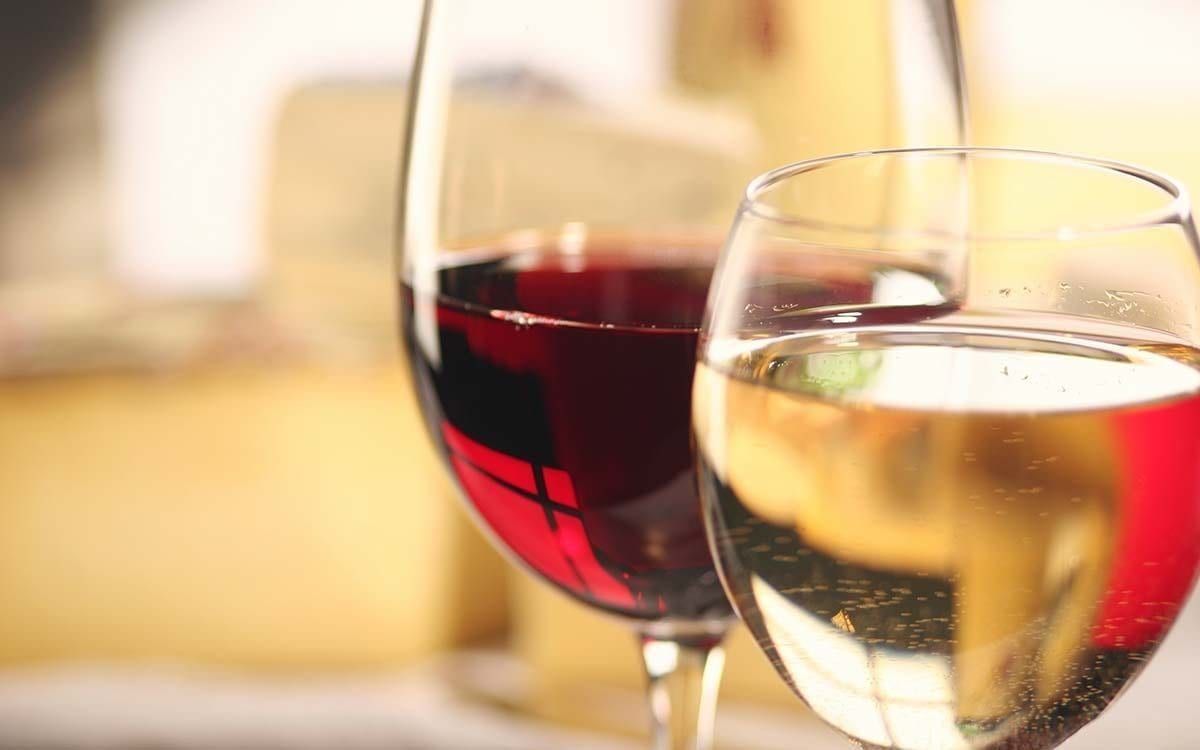
The grape is not an easy one. It ripens late, often well into November, and produces wines of formidable tannin and structure in their youth. A young Aglianico del Taburno can be almost forbidding — dark, dense, and tightly wound, with flavours of black cherry, plum, leather, and volcanic mineral that seem to demand patience rather than immediate pleasure. Give it five years in the cellar, and the wine transforms. The tannins soften and integrate, the fruit deepens, and a remarkable complexity emerges — notes of dried herbs, tobacco, dark chocolate, and the distinctive earthy undertone that the Italians call “sottobosco,” the scent of the forest floor.
The comparison to Barolo is not casual. Like Nebbiolo in Piedmont, Aglianico is a grape of high acidity and firm tannin that achieves true greatness only with time. The best Aglianico del Taburno Riserva wines, aged for a minimum of three years including at least twelve months in wood, can evolve beautifully for twenty years or more. They are wines of place, built to last, and they reward the collector who has the patience to wait.
The DOCG also includes a rosato (rosé) version, which is worth seeking out. Made from the same Aglianico grapes but with shorter skin contact, the rosato retains the grape’s characteristic structure while offering a more immediate, refreshing drinking experience. It is one of the finest rosé wines produced in Italy.
Falanghina del Sannio DOC: Ancient Grape, Modern Star
If Aglianico is Sannio’s brooding genius, Falanghina is its bright, outgoing counterpart. This white grape variety, whose name derives from “falanga,” the stake used to support the vine in the old training system, is one of the oldest cultivated grapes in Italy. Some scholars believe it may be the grape behind the legendary Falernian wine, the most prized vintage of ancient Rome — a claim that, if true, would make Falanghina one of the most historically significant wine grapes in the Western world.
Modern Falanghina del Sannio is a wine of immediate appeal. Pale straw-yellow in colour, it offers an exuberant nose of white peach, citrus blossom, acacia honey, and a distinctive mineral note that reflects the volcanic soils. On the palate, it is fresh and vibrant, with good acidity that keeps the fruit lively and makes it an exceptional partner for food. The finish often carries a pleasant bitter-almond note, a hallmark of the grape.
What has made Falanghina a star in recent years is its versatility. It is superb as an aperitivo, refreshing and light enough to drink on a warm afternoon. It pairs beautifully with seafood, which is perhaps surprising for a wine from an inland territory but reflects the grape’s natural affinity for delicate flavours. And it stands up well to richer dishes — grilled chicken, fresh pasta with vegetable sauces, soft cheeses — that would overwhelm a lesser white.
The best producers are also experimenting with late-harvest and oak-aged versions that show a different, more complex side of the grape. These wines are produced in small quantities and are worth seeking out for their depth and originality.
Other Grapes Worth Knowing
While Aglianico and Falanghina are the flagships, Sannio’s viticultural heritage includes several other varieties that deserve attention.
Coda di Volpe is an ancient white grape whose name — “fox’s tail” — describes the shape of the grape cluster. It produces wines of moderate body and gentle aromatic character, often with notes of pear, green apple, and herbs. It is commonly blended with Falanghina but increasingly bottled on its own, where it offers a softer, more approachable alternative.
Piedirosso, meaning “red foot” for the reddish colour of the grape’s stem, is Campania’s second red grape after Aglianico. It produces medium-bodied wines with bright cherry fruit, soft tannins, and a distinctly earthy, herbal quality. Where Aglianico demands attention, Piedirosso charms. It is an excellent everyday red and a natural companion for the region’s charcuterie and pasta dishes.
Fiano, though more associated with Avellino to the south, is also grown in parts of the Sannio territory. This noble white grape produces wines of great aromatic complexity — hazelnut, honey, citrus, and spice — with a richness and structure that allow for aging. A well-made Fiano can evolve in bottle for a decade or more, developing a toasted, almost honeyed character that is utterly compelling.
Wineries to Visit in Sannio
The best way to understand Sannio wine is to visit the people who make it. The following producers welcome visitors and offer tastings that range from informal drop-ins to structured experiences with food pairing.
Mustilli — Based in Sant’Agata de’ Goti, one of the most dramatically situated villages in Campania, Mustilli is a pioneer of quality winemaking in Sannio. The family has been growing grapes since the sixteenth century, and their cellars, carved into the tufa rock beneath the village, are among the most atmospheric in the region. Their Falanghina is a benchmark, and their Aglianico shows the elegance that the grape can achieve at higher elevations. A visit here combines great wine with one of the most beautiful village settings in southern Italy.
Fontanavecchia — Located in Torrecuso, on the slopes of the Taburno, this estate has been instrumental in establishing the reputation of Aglianico del Taburno at national and international level. Their Vigna Cataratte Aglianico Riserva is a wine of real ambition and complexity. The estate also produces excellent Falanghina and a noteworthy Piedirosso. Visits can include a walk through the vineyards, which offer spectacular views of the valley.
Cantina del Taburno — This cooperative winery, uniting some 300 growers across the Taburno zone, produces wines of consistent quality at accessible prices. Their Delius Aglianico and Amineo Falanghina have won numerous awards and represent outstanding value. The cooperative model means they work with grapes from a wide range of sites, giving their wines a panoramic view of the territory’s potential. Tours of the modern facility include tastings and an introduction to the Taburno terroir.
Torre a Oriente — A smaller, family-run estate in Torrecuso that focuses on organic viticulture and a minimal-intervention approach in the cellar. Their wines have a purity and directness that reflect a genuine commitment to letting the land speak. The Aglianico is particularly impressive — structured but not heavy, with a fine-grained tannic texture. Visits are by appointment and feel personal, more like being welcomed into someone’s home than visiting a commercial operation.
Terre Stregate — The name, meaning “bewitched lands,” nods to the famous legends of witchcraft associated with Benevento. This producer offers a range that covers all the major local varieties, with a house style that favours approachability and fruit-forwardness without sacrificing character. Their entry-level wines are excellent introductions to Sannio, and their premium Aglianico and Falanghina selections show what dedicated vineyard management can achieve. The tasting room is well-organised for visitors and the staff are knowledgeable and welcoming.
Food Pairings: What to Eat with Sannio Wine
Wine in Sannio is never far from food, and the region’s culinary traditions have evolved alongside its winemaking for centuries. Here are the pairings the locals know best.
With Aglianico del Taburno: braised lamb, aged pecorino cheese, wild boar ragout over pappardelle, grilled red meats, and dishes featuring mushrooms or truffles. The wine’s structure and depth can also stand up to rich, slow-cooked bean dishes and the hearty soups of the Campanian winter table.
With Falanghina del Sannio: fresh buffalo mozzarella, grilled vegetables, seafood pasta, risotto with courgette flowers, and the lighter preparations of the warm-weather kitchen. Falanghina also pairs beautifully with Benevento’s famous torrone and with almond-based desserts.
With Piedirosso: pizza, charcuterie, pasta with tomato-based sauces, grilled sausage, and the kind of straightforward, flavourful cooking that defines the Italian everyday table.
Villa Traiano’s La Vista Bar: Sannio Wine Without Leaving the Hotel
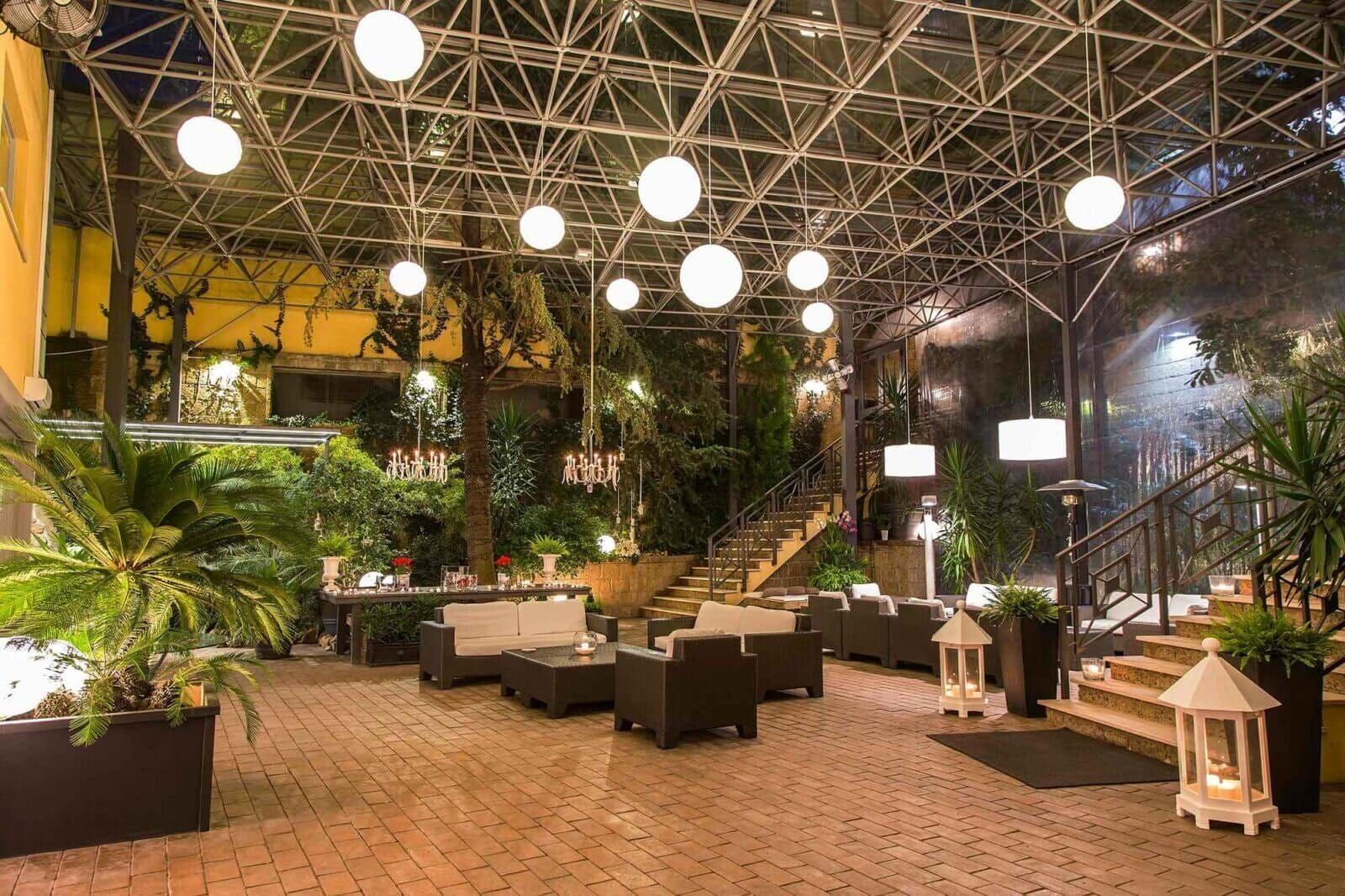
For guests staying at Villa Traiano, the hotel’s La Vista bar offers a carefully curated selection of Sannio wines by the glass and by the bottle. It is the perfect place to begin your exploration of the territory’s wines before venturing out to the estates themselves — or to continue it after a day of vineyard visits, comparing notes and favourites over a plate of local cheeses and salumi as the evening unfolds.
The staff at La Vista are knowledgeable about the wines they serve and happy to guide you toward bottles that suit your palate and your plans. Whether you are a seasoned wine enthusiast or a curious newcomer, they will help you find your way into one of Italy’s most rewarding and least-known wine territories.
A Territory Waiting to Be Discovered
The wines of Sannio are having a moment, but it is a quiet one. There are no tour buses in the vineyards, no long queues at the tasting rooms, no sense that the experience has been packaged and sanitised for mass consumption. What you find instead is genuine hospitality, extraordinary wines, and a landscape of profound and unspoiled beauty.
If you love wine and you love Italy, Sannio is the territory you have been looking for without knowing it. Come for the Aglianico, stay for the Falanghina, and leave with a case in the boot and a promise to return. The wines of this ancient land have been waiting two thousand years for you to discover them. They are not in any hurry — but you should be.